


When I was a teenager, I had an all consuming passion for something that shaped me deeply.
At the age of 14, needing a physical outlet, I began to play rugby. (If you don’t know, it’s that sport played with an oval-shaped ball but without the helmets of American football).
I ended up playing until I was in my early 20s, when a couple of injuries and university life (a.k.a. too much temptation not to train) brought an end to my playing.
But, in the period I did play, the game left a deep impression and love within me, one that I carry to this day.
Because, beyond the brutish and dangerous perception of the sport (which, I admit, is at times valid), rugby did teach me fundamental lessons that I think are worth sharing.
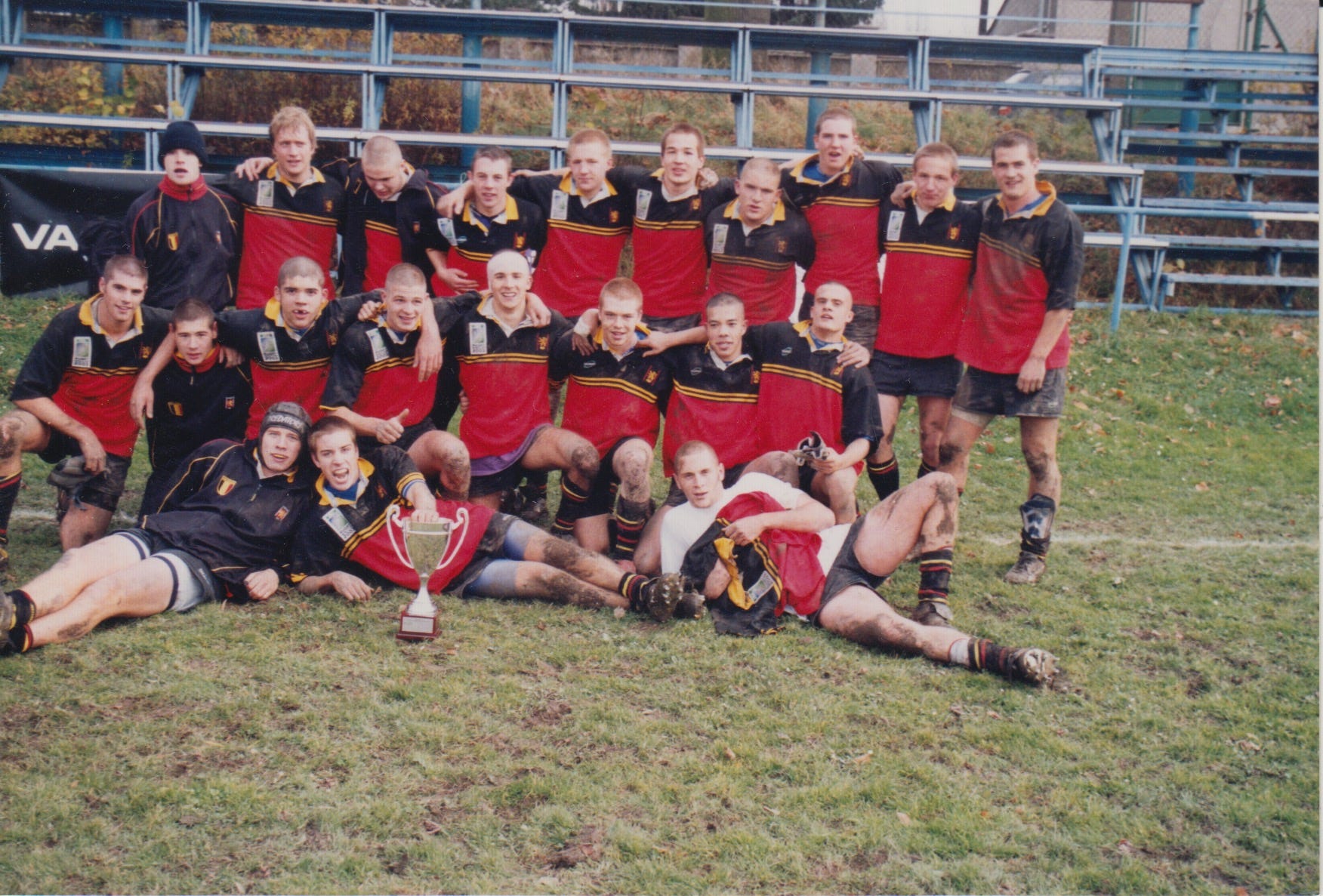
Being on a rugby pitch, you’re surrounded by 29 other people, 15 of which are using their physical might to try and bring the ball over to your end of the pitch.
You and your teammates are trying to stop them and, instead, bring the ball to their side of the pitch.
On one level, the game is very simple. It’s an attritional affair, a face-to-face tug-of-war, but in reverse.
So — and you cannot avoid this lesson — the nature of the game means that, without your teammates, you are nothing.
This feeling hits you the first time you play.
You get given the ball and your experience your first tackle — the physicality hits you. Then your teammates rush in and push the opponent players in order to secure the ball.
You could be the best player on the pitch but, without the support of those people on your side, you’d be crushed.
As a result, more than any other sport I’ve played or any professional situation I’ve been in, your reliance on your teammates in rugby is on another level.
And it’s been my experience that these moments of adversity builds deep trust with them. I recall playing with people from different walks of life, speaking different languages and playing in the knowledge that they’d back me up.
That’s a powerful feeling.
And it went the other way too: being ready to support a teammate, regardless of any personal sense of fear or physical tiredness.
This instilled a sense of selflessness.
Within the 80 minutes of the game, it wasn’t about the “me” in my head; it was about dealing with the particular situations of the game, as a team.
I may have come across as competitive back then but I actually didn’t care much if we won or lost. All I cared about was that we played as well as we could have.
I remember one of my coaches always saying: “Make sure you leave everything you can on the pitch.”
That idea rings a little differently after all these years but it still means something to me.
Pride in one’s self, maybe.
Now, for the first time in 20 years, I’m thinking of playing again.
I’m apprehensive though: rugby has been linked with Chronic traumatic encephalopathy (CTE), which is a brain disease linked to repeated head injuries.
I also have to question whether the very real risk of any injuries is worth it at a time when I’m firmly entering middle-age.
Regardless, rugby has — by far — been the closest I’ve felt to being part of a band of brothers.
Of being part of something bigger than myself.
I didn’t always like all my teammates, I didn’t love every second of being in such a tight social group, which was, at times, complex to navigate.
But it felt real and raw.
Tribal, almost.
Writing this out, I’m left wondering: what kind of environments still foster that level of bonds with strangers? And this, especially as a middle-aged man?
And so, will I play again? I don’t know.
But I do know this: rugby is more than mud and beer.
It’s about connection.
I’m curious, does this feeling of belonging and connection through a shared activity resonate with you?
How do you fill this need in your life right now?
Till next week, I wish you all my best! 🏉
Ben